JBLCNC Partners with Green Energy to Build Zero-Carbon Stamping Workshop
The global manufacturing industry is actively reducing carbon emissions. JBLCNC has partnered with a local energy company to build the first zero-carbon stamping demonstration workshop by 2027. The workshop will use the latest energy-saving presses, reduce energy waste through regenerative braking and smart grid management, and power equipment with rooftop solar panels. Additionally, JBLCNC is developing recyclable lubricating materials and circulating water cooling systems to further reduce environmental impact. This article explores the background of this partnership, technical approaches, and its significance for sustainable development in the industry.
1. Partnership Background and Goals
As the world advances toward carbon neutrality goals, the manufacturing industry faces unprecedented pressure to reduce emissions. JBLCNC actively responds to this trend by establishing a strategic partnership with a local energy company to jointly promote the construction of a zero-carbon stamping workshop. The project aims to complete the first zero-carbon demonstration workshop by 2027, setting a green manufacturing benchmark for the industry.
2. Energy-Saving Press Technology
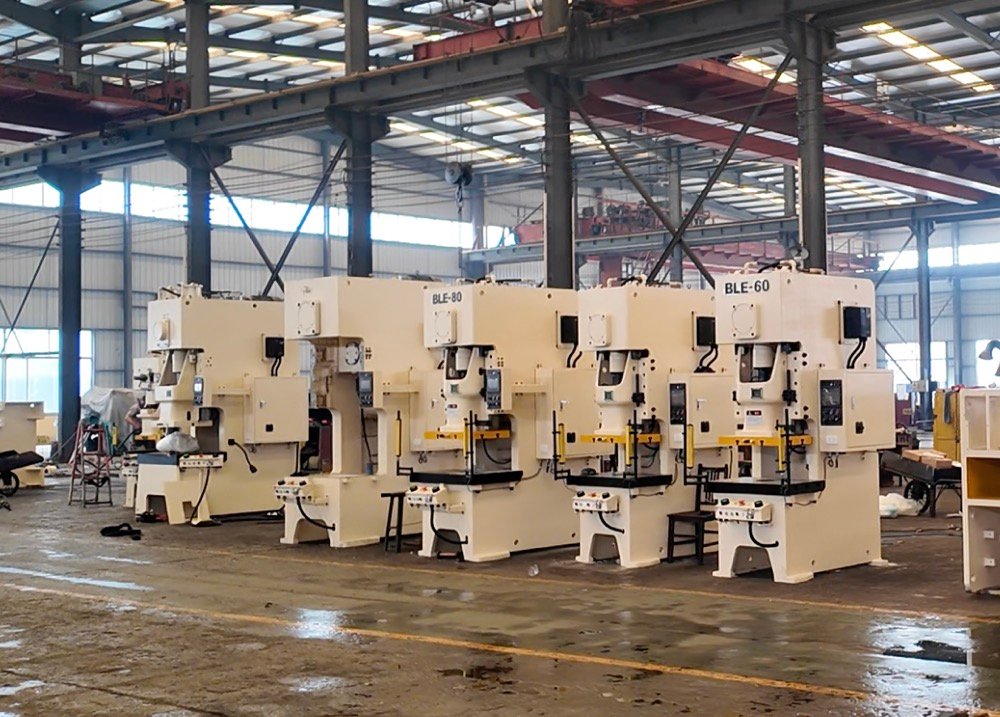
The core equipment of the zero-carbon workshop is energy-saving presses using the latest technology. These machines convert kinetic energy from the stamping process into electrical energy through regenerative braking systems, achieving energy recovery and reuse. Smart grid management systems monitor energy consumption in real-time, optimizing equipment operation strategies to minimize energy waste.
3. Rooftop Solar Power System
The workshop roof will be equipped with a large-scale solar photovoltaic system that directly supplies clean electricity to stamping equipment. The solar system, combined with smart grid management, achieves energy self-sufficiency, reducing dependence on traditional power grids and lowering carbon emissions.
4. Development of Recyclable Lubricating Materials
JBLCNC is developing recyclable lubricating materials to replace traditional disposable lubricants. These new materials not only effectively reduce lubrication costs but also minimize waste generation, enabling resource recycling and further reducing the workshop's environmental footprint.
5. Circulating Water Cooling System
Traditional water cooling systems consume large amounts of water resources. The zero-carbon workshop will adopt an advanced circulating water cooling system. Through efficient filtration and purification technology, the system enables the recycling of cooling water, significantly reducing water consumption while minimizing wastewater discharge.
6. Smart Energy Management System
The workshop will deploy a smart energy management system that monitors and analyzes energy usage in real-time. The system can automatically adjust equipment operation modes based on production plans, optimizing energy allocation while ensuring production efficiency, achieving optimal energy utilization.
7. Industry Demonstration Significance
The construction of the zero-carbon stamping workshop will provide a replicable green manufacturing model for the manufacturing industry. By showcasing advanced technology and innovative management approaches, it will drive the entire industry toward low-carbon and zero-carbon development, contributing to global carbon neutrality goals.
8. Sustainable Development Prospects
This project not only reflects JBLCNC's commitment to environmental protection but also demonstrates the company's forward-looking approach to sustainable development. Through technological innovation and win-win cooperation, JBLCNC is leading the manufacturing industry toward a greener and more efficient direction.
Conclusion
The zero-carbon stamping workshop project jointly developed by JBLCNC and the green energy company represents an important exploration of the manufacturing industry's transition toward sustainable development. By integrating innovative solutions such as energy-saving technology, renewable energy, and recycling systems, the project will provide an exemplary green manufacturing model for the industry, promoting the achievement of carbon neutrality goals in manufacturing and contributing to building a more sustainable future.